Safari tourism is often associated with remarkable wildlife encounters and remote landscapes. Increasingly, however, travellers are also seeking what is known as a conservation safari, an experience where tourism directly supports wildlife protection and local communities.
In Zambia, particularly around the Lower Zambezi National Park, safari tourism provides crucial support to local wildlife and communities. It plays a practical and measurable role in funding conservation, creating employment, and sustaining rural economies. Tourism here really matters, supporting over 200,000 jobs and helping communities fund vital resources like schools and hospitals.
Conducted responsibly, safari tourism is one of the most effective methods we have for preserving wildlife and protecting landscapes for future generations whilst also ensuring quality of life for the current one.
Conservation depends on consistent funding. Protected areas require investment in anti-poaching patrols, ranger salaries, wildlife monitoring, habitat management and infrastructure. In Zambia, our national parks, such as Lower Zambezi, operate within a framework that incorporates tourism revenue through park fees and concession agreements.
This model creates a direct link between visitors and wildlife protection. Tourism income contributes to maintaining protected areas and supporting conservation authorities on the ground.
When wildlife landscapes generate economic value through carefully managed tourism, they are more likely to remain protected. Land that supports a thriving safari economy is less vulnerable to alternative land use pressures.
Lower Zambezi National Park is widely recognised for maintaining relatively low visitor density. This allows conservation authorities and operators to balance access with preservation, ensuring wildlife habitats are not overwhelmed.
For safari goers, this means a genuine experience unlike anywhere else. Wildlife goes on uninterrupted by overcrowding, allowing you to experience all the wonder that the Zambian bush has to offer.
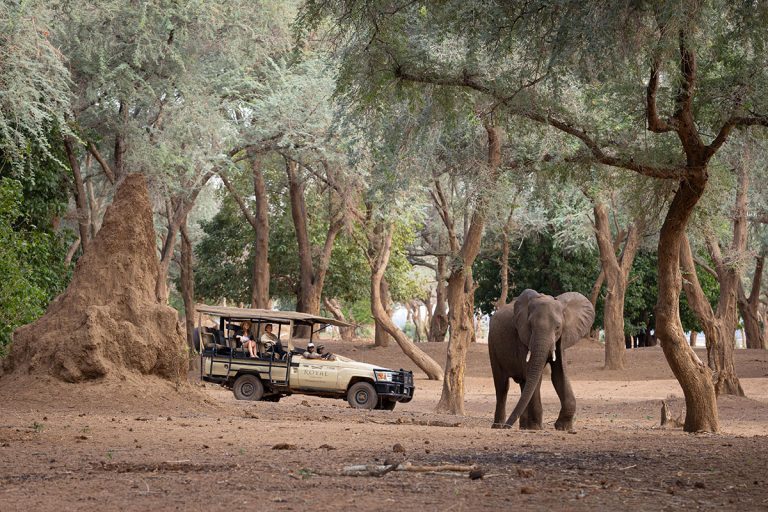
High visitor numbers can place strain on sensitive ecosystems, particularly along river systems and floodplains. Zambia has taken a lower-volume, higher-value approach.
In the Lower Zambezi, activities such as game drives, walking safaris and canoe safaris operate under strict guiding standards. Professional guides manage vehicle positioning, wildlife proximity and group sizes to reduce disturbance.
Smaller lodges and controlled vehicle numbers further limit environmental impact. This helps protect migration routes, breeding areas and riverbanks while still offering guests close access to wildlife.
The result is a safari experience that feels personal rather than crowded and sustainable rather than extractive. Safari tourism here is truly conservational; we aim to help the local area thrive rather than exploiting it.
Tourism in rural Zambia provides structured employment and long-term skills development.
Zambian safari lodges rely on skilled teams including guides, hospitality staff, boat captains, maintenance crews and operational managers. Many of these roles are filled by individuals from our surrounding communities, providing stable income where alternative employment opportunities can be limited.
Tourism also builds transferable skills. Guiding qualifications, hospitality training and operational experience support career progression within the sector and contribute to long-term economic stability.
When communities benefit directly from wildlife tourism, conservation becomes a shared interest. Wildlife is no longer simply part of the landscape, it is part of the local economy.
The economic impact of safari tourism extends beyond just lodge employment.
Responsible operators prioritise sourcing goods and services locally wherever possible, from fresh produce and construction materials to transport and maintenance support. This ensures that tourism revenue circulates within the region.
At Royal Zambezi Lodge, locally made crafts and artisan products are available in our Royal Curio shop. We have a range of items made by small-scale producers from nearby communities. Guest purchases directly support these businesses and help sustain traditional craftsmanship.
By integrating local suppliers and artisans into daily operations, tourism contributes to broader economic resilience in the Lower Zambezi region.
The term conservation safari is increasingly used to describe travel experiences that actively contribute to wildlife protection and community development.
In practice, this does not necessarily mean participating in research projects or conservation work directly. Instead, it refers to a model where tourism revenue supports protected area management and anti-poaching initiatives, actively creates employment opportunities locally and funds community partnerships. Finally, conservation safaris ensure that wildlife encounters remain ethical and regulated.
In Zambia, this model is embedded in how many safari lodges operate, including ourselves. A conservation safari in Africa is therefore less about a specific activity and more about a responsible approach to tourism.
When visitors choose lodges that operate transparently and sustainably, their stay contributes directly to the welfare of both the local community and the wildlife surrounding it.
Travellers who want their safari to have a positive impact should look beyond accommodation style and location. Choose a safari lodge in Zambia that places conservation and sustainability as core parts of their ethos. When booking, consider the following:
At Royal Zambezi Lodge, we do all of the above to ensure that we give back to our local community and the stunning environment in which the lodge is located.
The Lower Zambezi is known for its river scenery, diverse wildlife and relative exclusivity. Maintaining this balance requires careful management and collaboration between conservation authorities, tourism operators and local communities.
At Royal Zambezi Lodge, our approach is rooted in responsible tourism, local partnership and respect for the surrounding environment. As a family-owned lodge operating just minutes from the national park, we recognise that our long-term success is directly connected to the health of the ecosystem and the strength of the community around us.
A safari here offers more than exceptional wildlife viewing. It contributes directly to conservation funding, local employment and the protection of one of Zambia’s most important landscapes.
To learn more about our sustainability initiatives and community partnerships, we invite you to explore our conservation approach or speak with our team directly.